Who Has a Seat at Our Table
The heart of Bright Light Neuro is and always will be students and teachers. Every resource we create is designed first with the teacher in mind, so that we can support them in the incredible work they are already doing. Ultimately, our resources are intended to benefit the young learners in the classroom, but the one and only entryway to kids is through the teacher in the classroom. When I think about the brainstorm and creation table, where different people have opinions, thoughts, and ideas about how the resources at Bright Light should look, I imagine a big conference room table. And although students and teachers are at the heart of what we do, we know that there are many people at this conference table – people whose hands and minds are important to the work we do and the outcomes we anticipate. So who's sitting at our table, and why?
Teachers
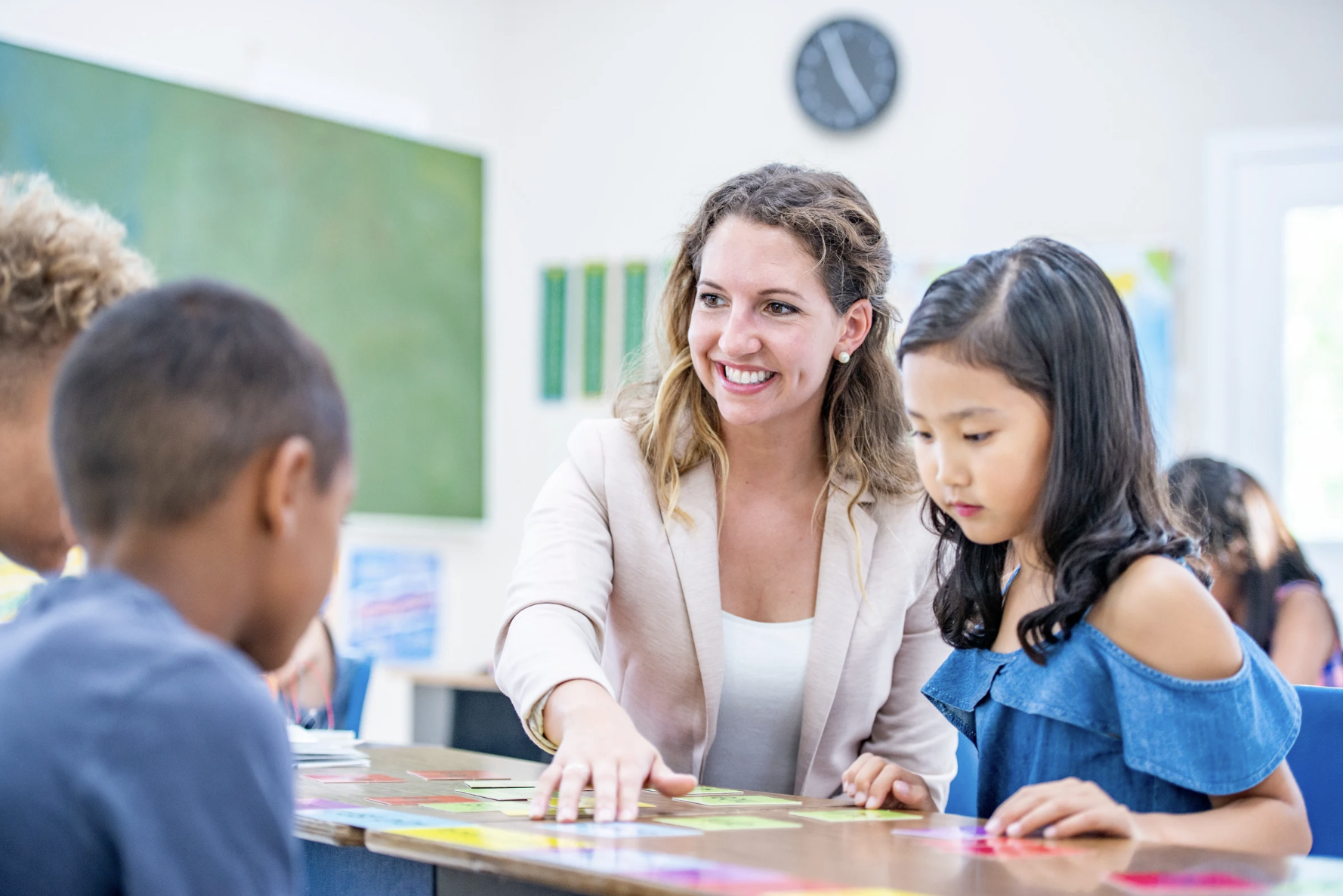
Our core ethos is that everything we make is for teachers, by teachers – so obviously teachers are at our table! We are fortunate to have passionate, innovative, and collaborative teachers in our founding teachers group: a community of educators who help shape what we create from the very beginning. We want to hear their honest feedback, what's happening inside their classrooms, and what resources they need for their kids.
Being a teacher is hard, and we don't want to add to that stress by giving them a resource they have to turn into a detective to figure out how to use. We don't want time estimates that say a lesson takes 40 minutes when it really takes 4 hours. So all of our content is designed for teachers to use in the way that works best for them. They can take as little or as much as they want. Resources can be grab-and-go, or teachers can use their creativity and put their own touch on a lesson. Activities can be for kids to work independently, collaboratively, or a mixture of both! Teaching can be direct instruction, inquiry-based, experiential, or all of the above. We trust teachers to do what is best for their kids and their day – we just give them the tools to make it easy. To stay true to this, teachers contribute to the creation, pilot what we make, and tell us what worked and what didn't.
Students
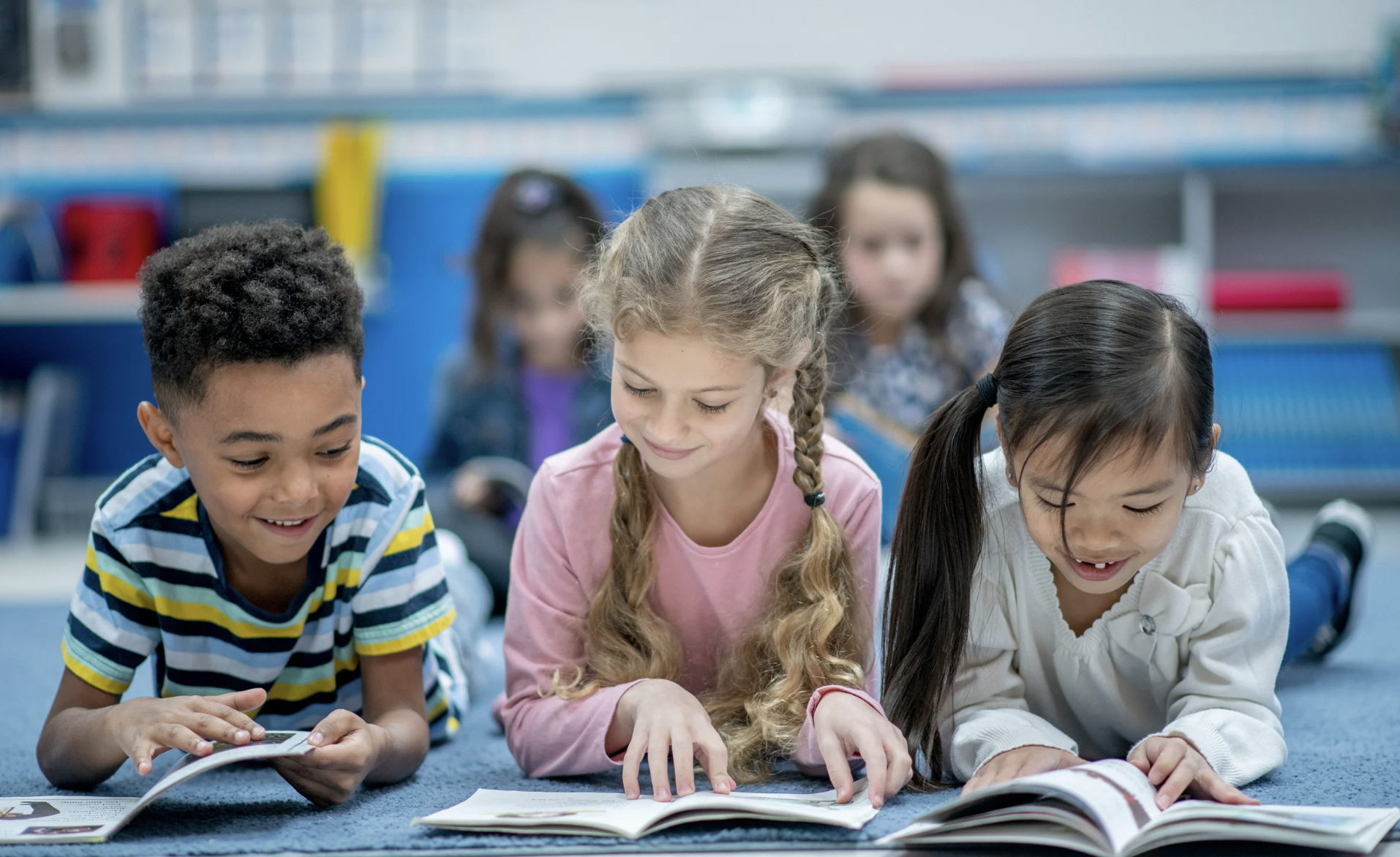
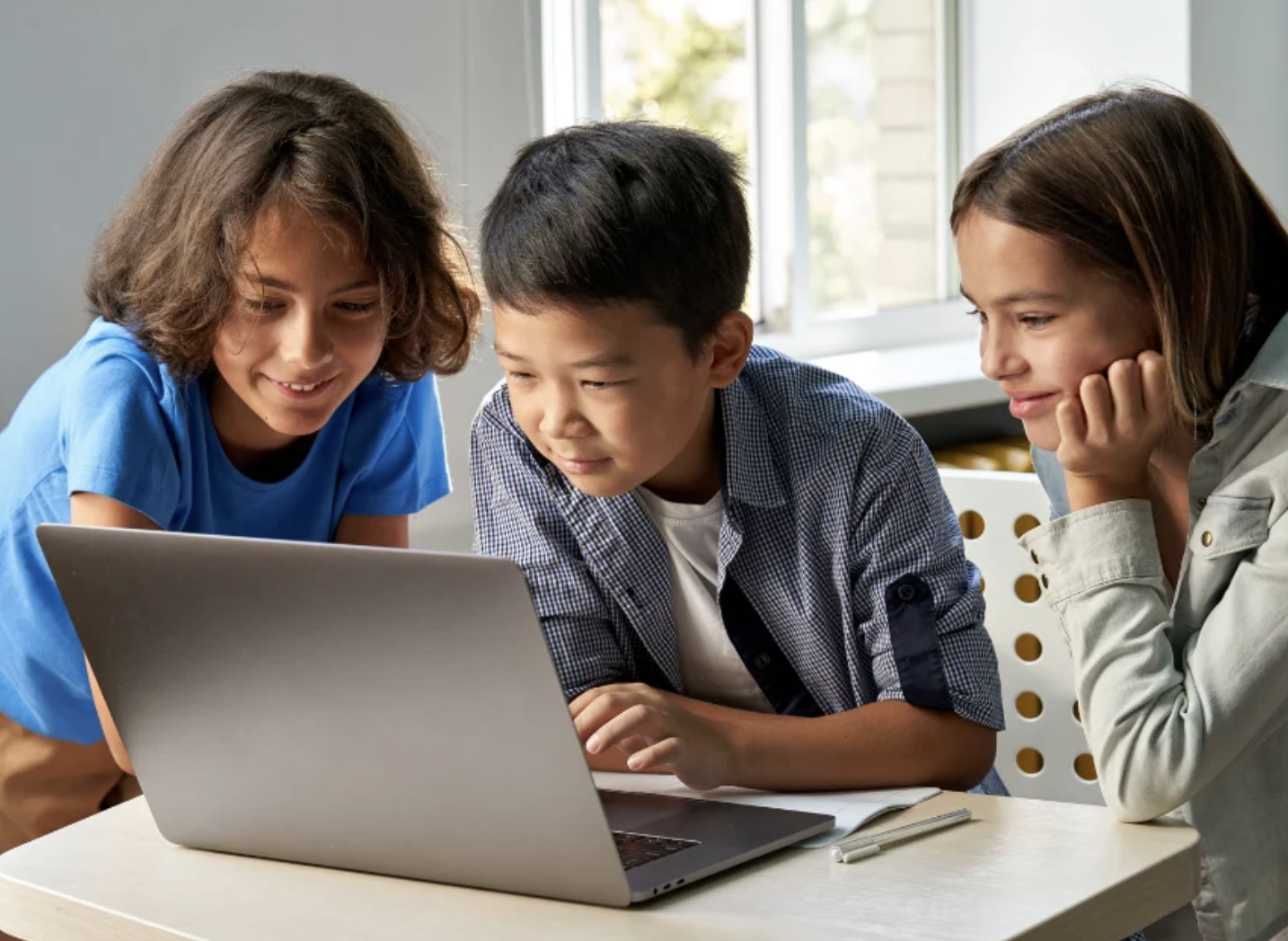
Everything we make is ultimately for kids, so of course they're at the table too. Kids should have the space to ask "why does this matter?" and come to a shared, strong understanding of why it does. We also want them to bring the parts of their lives that are important to them into the classroom, so we can connect what we're learning to who they are. When the classroom feels safe and open, kids unpack their "virtual backpacks" – everything they carry in from home, friends, and the world around them.
Their challenges, triumphs, and latest obsessions ebb and flow so quickly that we have to keep listening, watching, and learning from them. That's how we connect our resources to the realities of their day to day, and to their interests. And when learning connects to who kids are, engagement, learning (and enjoyment!) all improve.
Parents
Parents and teachers have the same goal: for students to be supported and successful. That's why we strongly believe in triangular support between parents, teachers, and students – and why all caregivers have a unique and important seat at our table.
Our resources are designed for both the classroom and home. Teachers have the option to send resources home, so parents and caregivers can learn alongside their kids. And we listen to the nuances of parenting in 2026, so that what we make supports parents, empowers them, and builds a trusted relationship between home and school.
Neuroscientists
I've been fortunate that from the very start of teaching the brain, I've had an expert neuroscientist by my side, who also happens to be my dad! Today we have multiple neuroscientists on our team, each with unique areas of expertise, so that our work goes through multiple layers of evaluation. If we are going to teach about the brain, we are going to do it with integrity, no matter how enticing it might be to err on the side of pop science.
Our language will remain honest, we won't speak in absolutes, and we will avoid clickbait titles. Brain science also moves quickly. There is still so much to learn, and the research that informs our resources is constantly evolving. As science advances and changes, our resources change with it.
If you're an educator who wants a seat at the table, we'd love to hear from you. Click here to learn more about the founding teachers group. If you're in a different role but still interested in how you might contribute, we'd love to hear from you, too. Send us an email at info@brightlightneuro.com.